

Why I Started Using rabby wallet — and Why You Might Too

Okay, so check this out—I’ve been wrestling with browser wallets for years. Really. MetaMask was my go-to, but something felt off about the UX and the accidental approvals. Whoa. Then I found rabby wallet and it nudged my workflow in a way that actually made me rethink how I sign transactions.
At first glance, rabby wallet looks familiar. Short learning curve. But seriously? The transaction simulation feature is the game-changer for power users. My instinct said: finally, a wallet that treats on-chain operations like software engineering, not like guesswork. On one hand it’s just another extension. On the other hand, it surfaces the gas, the calls, and the risk vectors before you hit confirm—so you can breathe and not lose 3 ETH because of a bad call.
Here’s the thing. I like tooling that respects my time. I’m biased, sure—I’ve built and audited DeFi flows and I care about predictable outcomes. Something about seeing what a tx will do, step by step, reduces that stomach-drop when you press confirm. Hmm… my gut still clenches sometimes though, especially on new contracts. Initially I thought simulation was overkill, but then a simulated sandwich attack saved me a bad day. Actually, wait—let me rephrase that: the simulation didn’t stop the attack (you still need careful slippage settings), but it made the risk visible before approval.
What Makes rabby wallet Different (for people who trade, bridge, and farm)
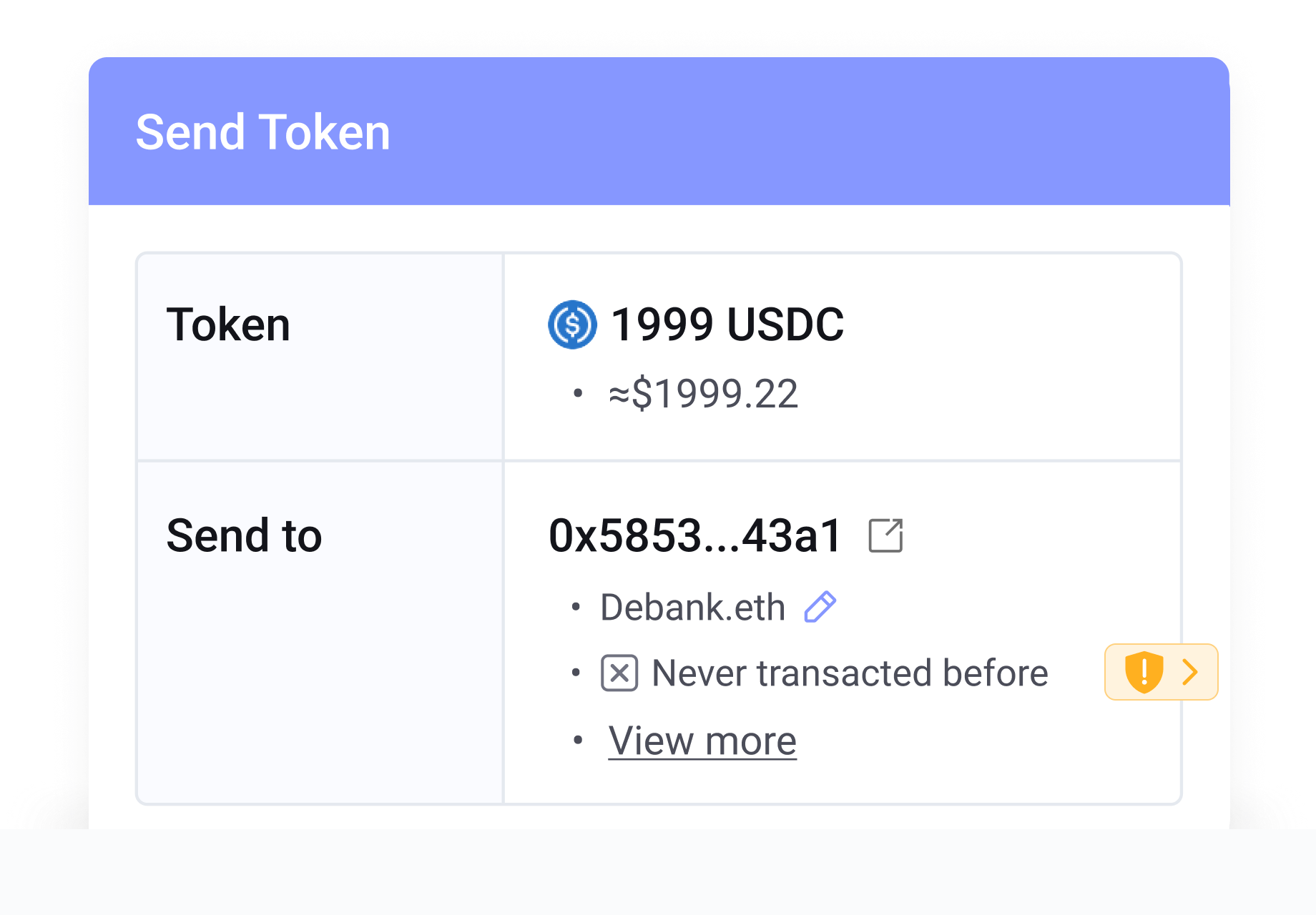
Short version: transaction simulation and clearer approval flows. Long version: rabby wallet adds layers of intent checking that feel engineered for multi-chain DeFi. The UI nudges you to think in steps rather than one-click confirmations—very very important. I know some folks roll their eyes at “extra clicks,” but this is different. It’s not friction for friction’s sake; it’s friction where mistakes cost money.
On a technical level, rabby wallet integrates RPC-level calls to preview contract interactions and displays internal transactions and token approvals. That means you can see, for example, if a simple-looking swap triggers an approval for the router to move a token indefinitely—before you approve. My working-through-contradictions moment came when I realized: on-chain transparency isn’t enough if your wallet hides the complexity. Rabby pulls that complexity forward, which is exactly what you want as a power user.
I’ll be honest: the multi-chain support is solid but not flawless. It covers major EVM chains and some L2s well. For niche testnets and newer EVM forks, you might need to add custom RPCs. This part bugs me a little, because I often hop networks during experiments. Still, the core experience is fast, and I rarely have to reconfigure gas profiles for the chains I use daily.
How I Use rabby wallet in a Typical Session
Step one: set up separate accounts for ops and for experiments. Step two: always run the simulation on any trade greater than a small threshold. Step three: review approvals and, if needed, revoke or set one-time approvals. Sounds basic. Yet it’s rare to see a wallet make step three so obvious up front.
Example: last month I bridged funds and then executed a complex yield strategy across two chains. The bridge confirmation showed expected intermediate token movements. I paused because the simulation showed a transfer path that I’d not anticipated—an extra hop through a wrapped asset that would have cost an extra chunk of gas. I changed the route and saved time and fees. Not glamorous, but that small delta compounds fast when you’re running multiple strategies.
Something else: the keyboard shortcuts and quick-account-switching shave minutes off frequent tasks. For traders, minutes = opportunity. For builders, they equal fewer interruptions in flow, which reduces errors. On the flip side, onboarding teammates still requires a short walkthrough; not everyone notices subtle indicators by default. So, expect to explain the simulation tab the first time around.
Security and Approvals — Practical Tips
Okay, quick intuitive tip: don’t just rely on the wallet’s visuals—double-check contract addresses. Seriously? Yes. Systems fail. Rabby helps by highlighting approvals, but you still need to verify counterparties. My first reflex used to be “approve and go.” Now I pause. My instinct said pause, and then the interface confirmed my doubt.
Workflows I use: one-time approvals for DEX swaps; time-limited approvals for new or unknown contracts; and periodic sweeps of approvals using on-chain tools. Also: keep a small “hot” account for daily ops and a “cold” vault for larger holdings. On one hand rabby makes hot-wallet safety better. On the other hand it doesn’t replace fundamental custody practices. Though actually, if you’re comfortable with extensions, rabby reduces accidental over-approvals, which alone justifies trying it.
Pro-tip: pair rabby wallet with hardware keys for high-value transactions. The extension will surface the simulation and you then confirm with the device—best of both worlds. I’m not 100% sure every edge-case is covered here, but for the chains and flows I rely on, the hardware+extension combo is my default posture.
Where rabby wallet Could Improve
Not everything is perfect. The onboarding copy could be clearer for non-power users. Sometimes the simulation output is verbose—useful, yes, but dense. A few steps felt like “read the raw trace or go blind.” I want an intermediate, human-readable summary as an option. Also, the mobile companion story is still catching up with native apps; desktop extension remains the faster, more complete experience.
Also, occasional RPC flakiness on certain networks can make the simulation hang. When that happens you have to switch RPCs or retry. Frustrating? A little. But these are network-level problems often outside the wallet’s direct control. Still—product teams: better retry/backoff UX, please.
FAQ
Is rabby wallet safe to use for DeFi?
Short answer: yes, if you follow good practices. Long answer: rabby wallet adds helpful safety features like transaction simulation and clearer approval dialogs, which reduce common user mistakes. But no extension replaces good custody hygiene—use hardware keys for large sums and keep separate accounts for different risk levels.
Does rabby wallet support multiple chains?
Yes. It supports major EVM chains and several L2s out of the box. You can add custom RPCs for less common networks. In practice, switching is quick, and the simulation works across supported networks—though rare RPC errors can require manual RPC tweaks.
How does transaction simulation work?
It previews contract calls and internal transactions, showing token movements, gas estimates, and approval scopes before signing. Think of it as running a dry-run on the state changes. It won’t stop a failed transaction if the underlying contract acts unexpectedly, but it makes intent and risk visible beforehand.
All told, rabby wallet isn’t magical. It’s pragmatic. It elevates the decision points you already face, and it nudges you toward safer behavior. If you’re a DeFi power user who wants clear previews and tighter control, give rabby wallet a spin. Try it on one account first, test simulations, and then fold it into your routine. Something felt off about approval UX for me for a long time—this helped fix that, and honestly, that feels worth the small time investment.